
Challenge
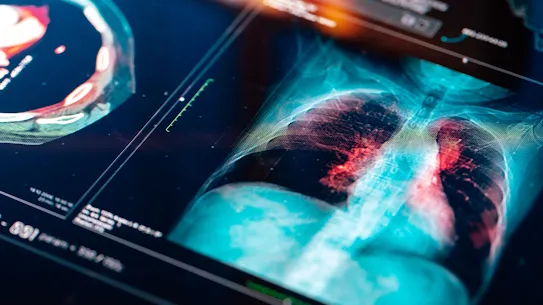
More than 10 million people a year become ill with tuberculosis (TB), and more than 1.3 million die from the disease worldwide annually. TB can be treated and cured, but delays in treatment allow the disease to spread through the community and develop to the point of being fatal in patients. Chest X-rays are a common method of screening for the disease, but there are not enough trained radiologists to interpret images at scale. This is a situation where AI can make a difference.
Solution and partner
To help, Google developed an AI system to help interpret chest X-ray scans for early signs of TB, and are collaborating with Apollo Radiology International in India to bring this to communities across the country. Google has been working with Apollo over the past few years to validate these AI systems in regions where they can have the most impact, such as rural settings or areas where there are few hospitals and healthcare centers.
Impact
Today, Google continues to collaborate with Apollo Radiology International as it works towards securing regulatory approvals to bring these models into clinical care in communities across India. Over the next 10 years, Apollo Radiology International will use these models to provide 3 million free AI-powered screenings for TB, lung cancer, and breast cancer — helping hundreds of thousands more people across India access timely care.
[AI] will act as an aid to the radiologist so that they can make the diagnosis more quickly and more effectively… My father had a lot of patients who had TB. If he had access to something like this, I’m sure he would have been able to treat a lot more patients with T, and probably save a lot of lives.